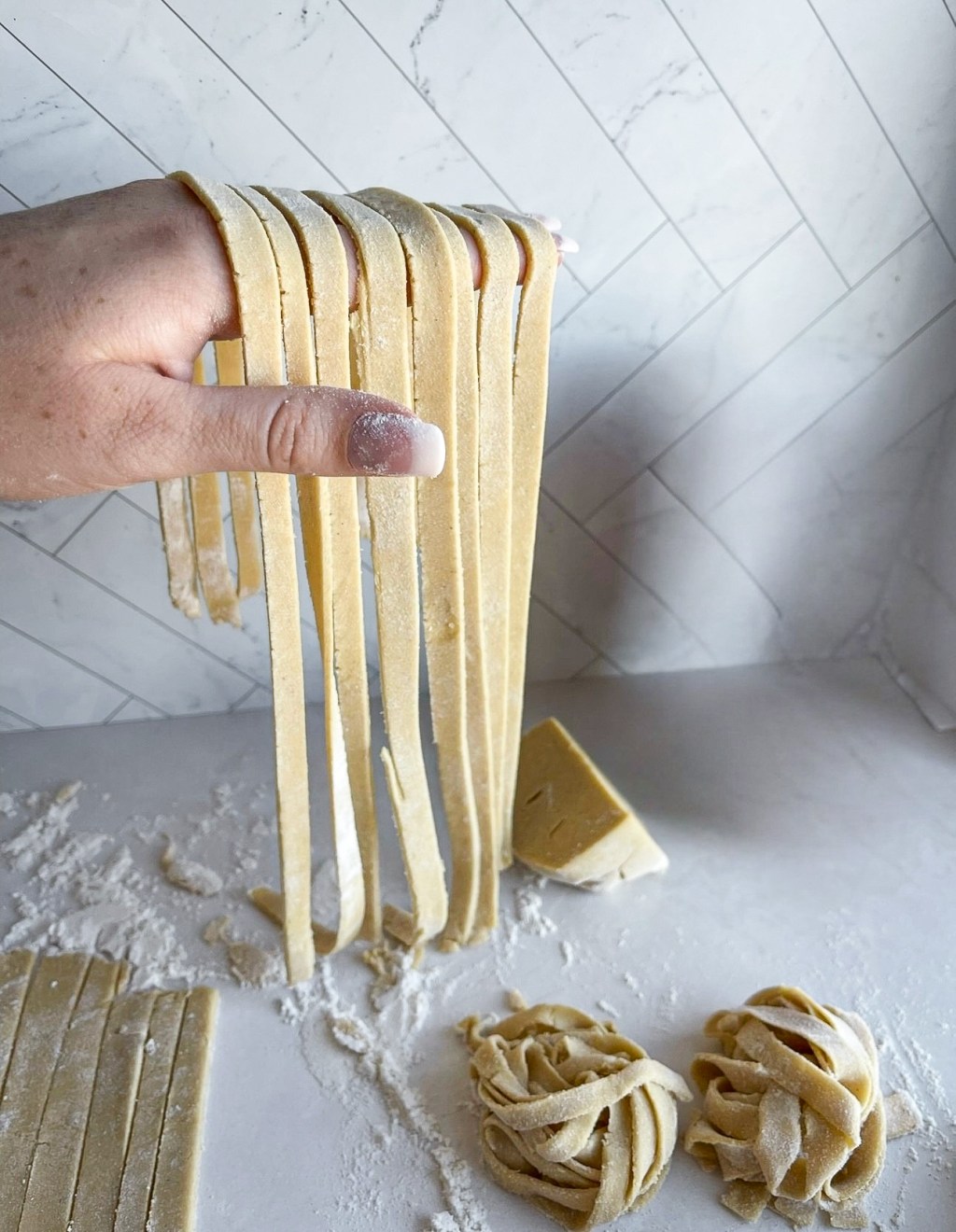
Let’s talk about the differences between flour, whole-wheat, chickpea, lentil, and vegetable-based noodles.
As a Registered Dietitian, I’ve been asked this question so many times – “is pasta healthy?” Like many nutrition questions, it depends! It depends on your current medial conditions, health goals, taste preferences, budgetary restrictions, and more. Today, I am going to break down five popular noodle choices – flour noodles, whole-wheat noodles, chickpea noodles, lentil noodles, and vegetable-based noodles.
Traditional Flour Noodles
If you’re thinking of “regular noodles” you are probably thinking about a flour-based noodle. These come in all shapes and sizes, some popular versions being penne, angel hair, spaghetti, macaroni, bow tie, linguine, rotini, and farfalle.
The wheat kernel consists of 3 parts – the bran, germ, and endosperm. When flour noodles are made, the bran and germ are removed during the refining process, leaving just the endosperm. The bran and germ contain high amounts of fiber, vitamin E, B-vitamins, and other minerals. Often, the vitamins are added back into flour noodles after the refining process, but the fiber is gone for good.
Flour based noodles are a source of simple carbohydrates (energy), however, since they are lacking fiber, you may feel hungry shortly after you eat. I recommend pairing your flour-based noodles with a vegetable and a protein to ensure you are full and satisfied after your pasta meal.
Some people may prefer flour noodles over other types of noodles because of taste and texture preferences, availability, and low cost.
Whole Wheat Noodles
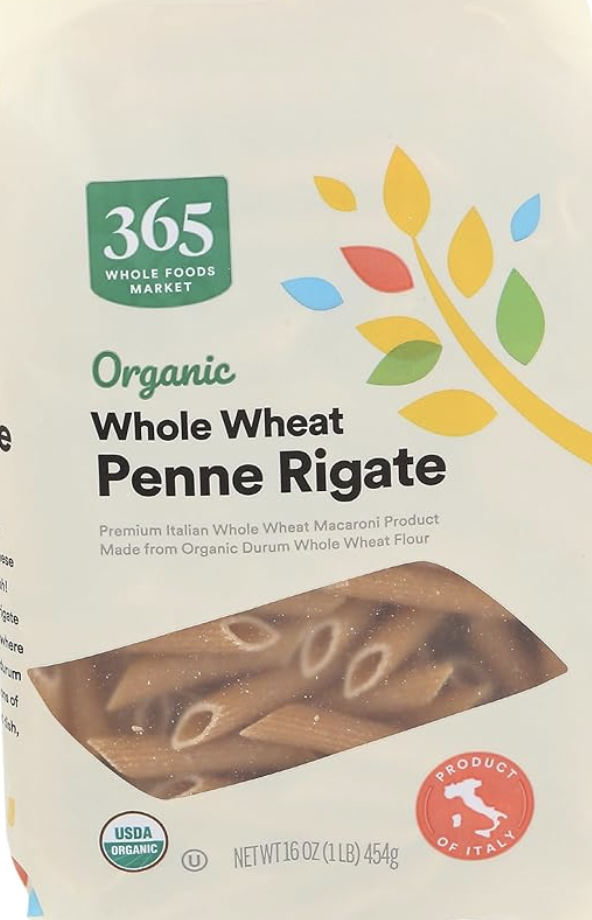
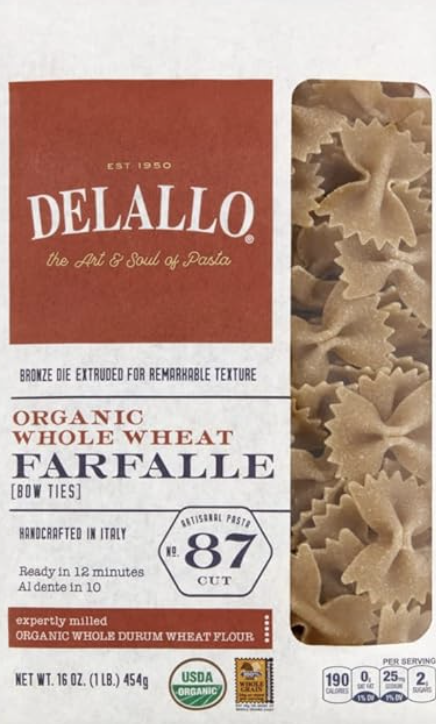
Unlike flour-based noodles, whole wheat noodles contain the entire wheat kernel, making them slightly brown in color. Whole wheat noodles are considered a complex carbohydrate because the fiber is still intact.
If you are looking for ways to boost your fiber intake, whole wheat pasta may be for you. A ½ cup of whole wheat noodles contain about 6 grams of fiber (depending on the brand). There are so many benefits to consuming adequate amounts of fiber during the day, such as blood sugar control, improved gut health, reduced risk of cardiovascular disease, lower cholesterol, and weight management. Whole wheat pasta is also full of vitamins and minerals, like B-vitamins, vitamin E, iron, magnesium, zinc, and selenium.
Product Recommendations

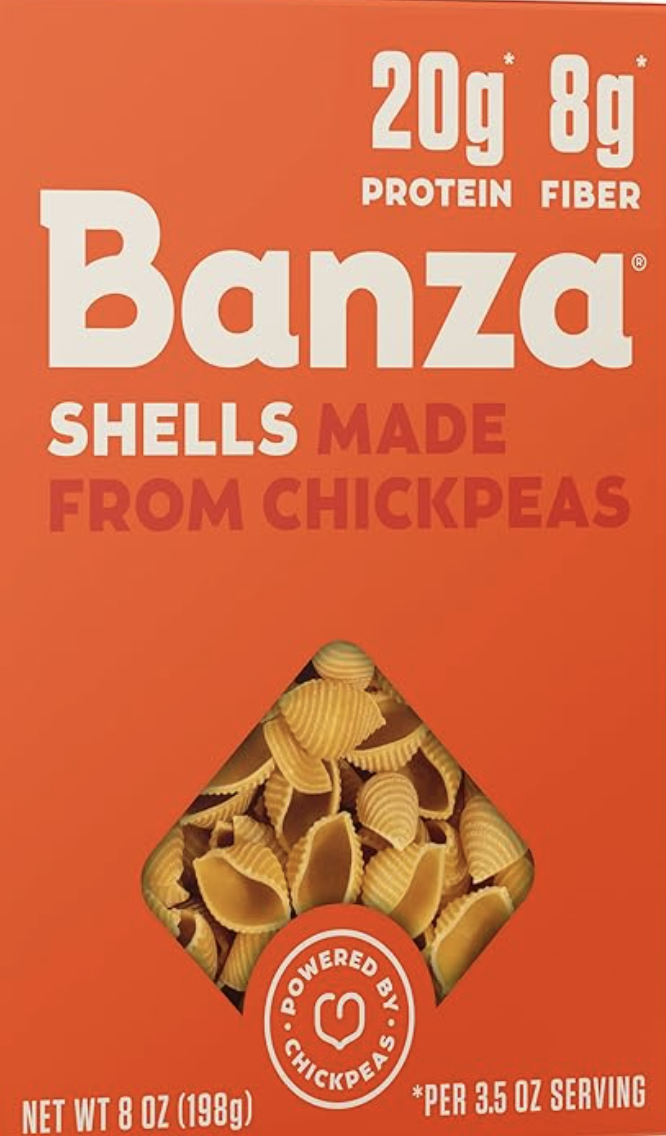
Chickpea Noodles
Chickpea flour is made by drying and grinding chickpeas until they turn into a flour consistency. The chickpea flour is then used to make pasta dough, which can be shaped into penne, spaghetti, and rotini.
Chickpea noodles are a great source of fiber, protein, iron, folate, and magnesium. A serving of chickpea pasta (2oz, 56 grams, or 1 cup cooked pasta) contains about 5 grams of fiber and 11 grams of protein.
They are also naturally gluten-free, making them a great alternative for anyone with celiac disease, an allergy, or gluten-sensitivity/intolerance.
Product Recommendations
- Banza Chickpea Pasta
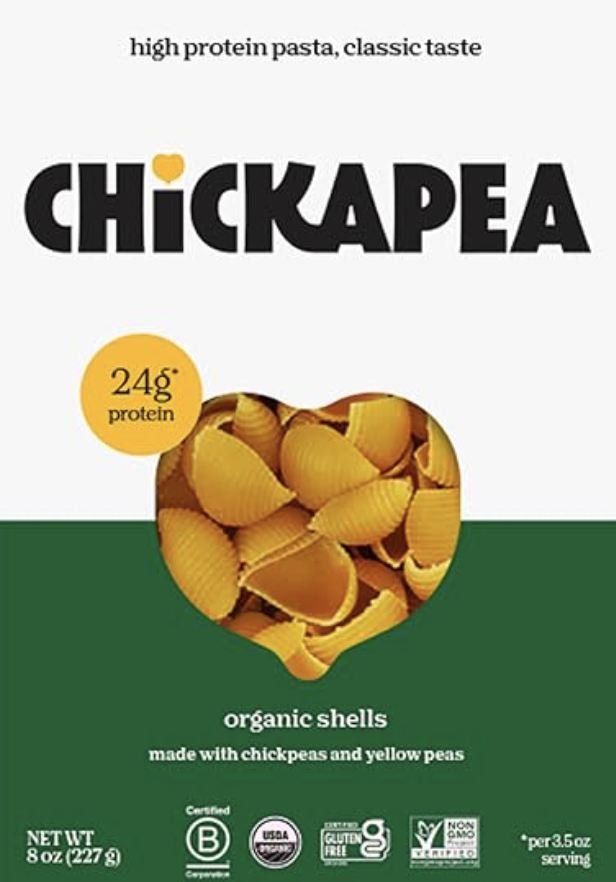
- Chickapea Organic Chickpea Pasta
- Food to Live Organic Chickpea Fusilli Pasta
- Whole Foods Market, Organic Chickpea Shells


Lentil Noodles
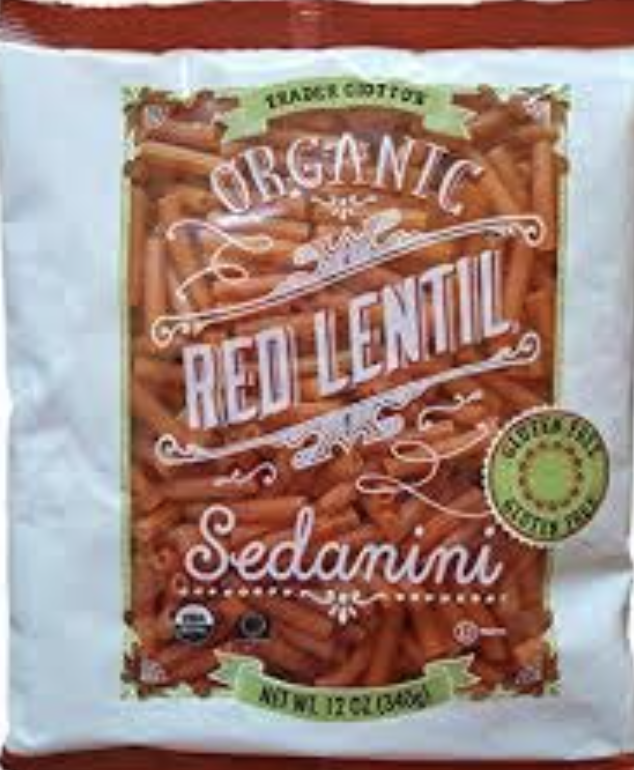
Similarly to chickpea noodles, lentil noodles are lentils that have been grinded down into flour. Lentil noodles are slightly higher in protein compared to a chickpea pasta, with 14 grams per serving (2oz, 56 grams, 1 cup cooked). They also contain 3 grams of fiber per serving.
If you are vegan or vegetarian, this might be a great pasta choice for you to boost your protein intake! Lentil noodles are not a “complete protein”, meaning they do not contain all nine essential amino acids. To make this a complete protein, I recommend pairing your lentil pasta with whole grains, nuts, or seeds (an example would be lentil pasta with a side of whole wheat bread).
Product Recommendations
- Trader Joe’s Organic Red Lentil Pasta
- Barilla Red Lentil Spaghetti & Penne Pasta
- Taste Republic Red Lenil Fusilli
- Food to Live Organic Red Lentil Penne Pasta



Vegetable-Based Noodles
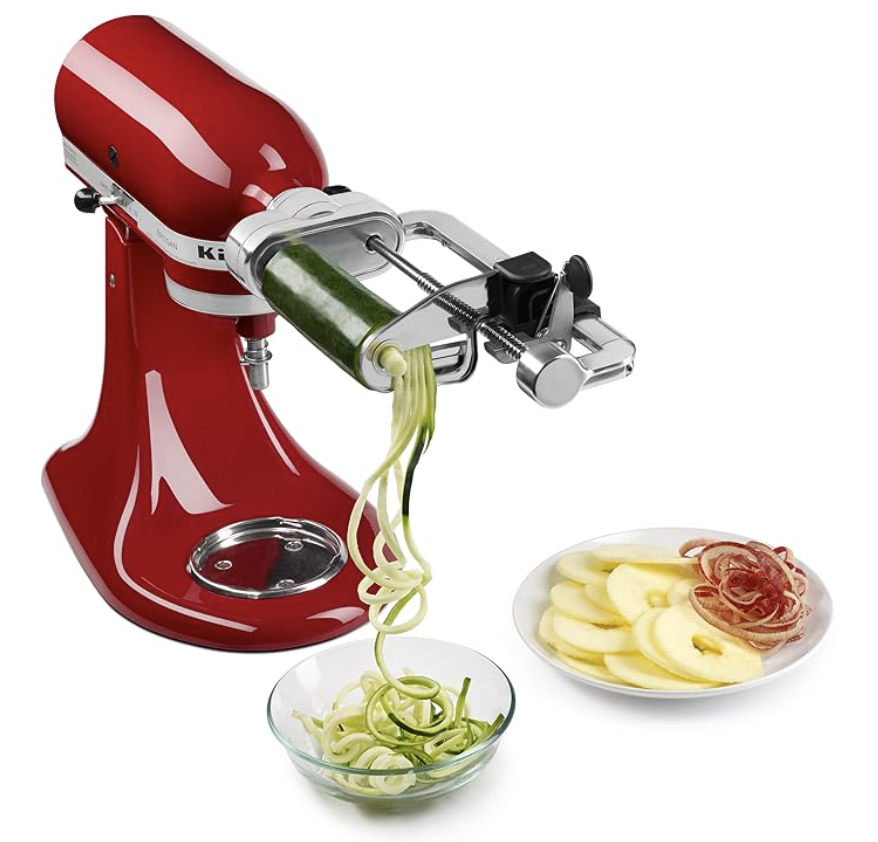
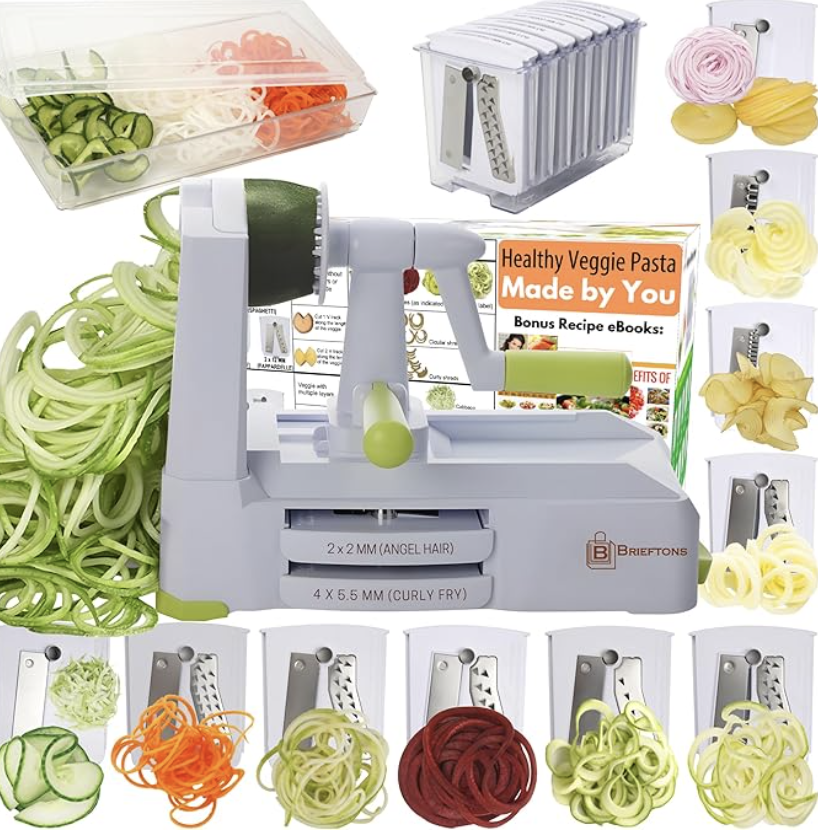
Vegetable-based noodles are exactly how they sound – vegetables cut into thin, spaghetti shaped slices. You can make vegetable-based noodles out of almost any vegetable, some common examples being zucchini (popularly known as “zoodles”), spaghetti squash, carrots, cucumbers, and sweet potatoes.
Nutritional Benefits of Vegetable-Based Noodles:
- Zucchini Noodles: vitamin A, vitamin K, vitamin C, potassium, magnesium, and fiber
- Spaghetti Squash Noodles: vitamin A, vitamin C, fiber, B-vitamins, and folate
- Carrot Noodles: vitamin A, vitamin K, vitamin C, calcium, potassium, and magnesium
- Cucumber Noodles: vitamin K, vitamin C, potassium, and magnesium
- Sweet Potato Noodles: vitamin A, vitamin C, fiber, and potassium
Product Recommendations
- Brieftons 10-Blade Vegetable Spiralizes
- Vegetable Spiralizer 3 in 1 Spiralizer for Veggie Noodles
- KitchenAid Spiralizer Plus Attachment with Peel, Core and Slice

The bottom line, which ever pasta you prefer (taste wise, texture, flavor, allergy needs, cost, etc.) is going to be the best option for YOU.
Sources:
- https://www.thelancet.com/journals/lancet/article/PIIS0140-6736(18)31809-9/fulltext
- https://pubmed.ncbi.nlm.nih.gov/12740067/
- https://pubmed.ncbi.nlm.nih.gov/20565994/
- https://www.cdc.gov/diabetes/healthy-eating/fiber-helps-diabetes.html
- https://tools.myfooddata.com/nutrition-facts/168910/wt1
- https://tools.myfooddata.com/nutrition-facts/2547454/wt1
- https://tools.myfooddata.com/nutrition-facts/2532632/wt1
- https://tools.myfooddata.com/nutrition-facts/169291/wt1
- https://tools.myfooddata.com/nutrition-facts/169298/wt1
- https://tools.myfooddata.com/nutrition-facts/170393/wt4
- https://tools.myfooddata.com/nutrition-facts/168482/wt1

 Servings of Nutrition